Strengthening faculty readiness for innovative, competency-based nursing education
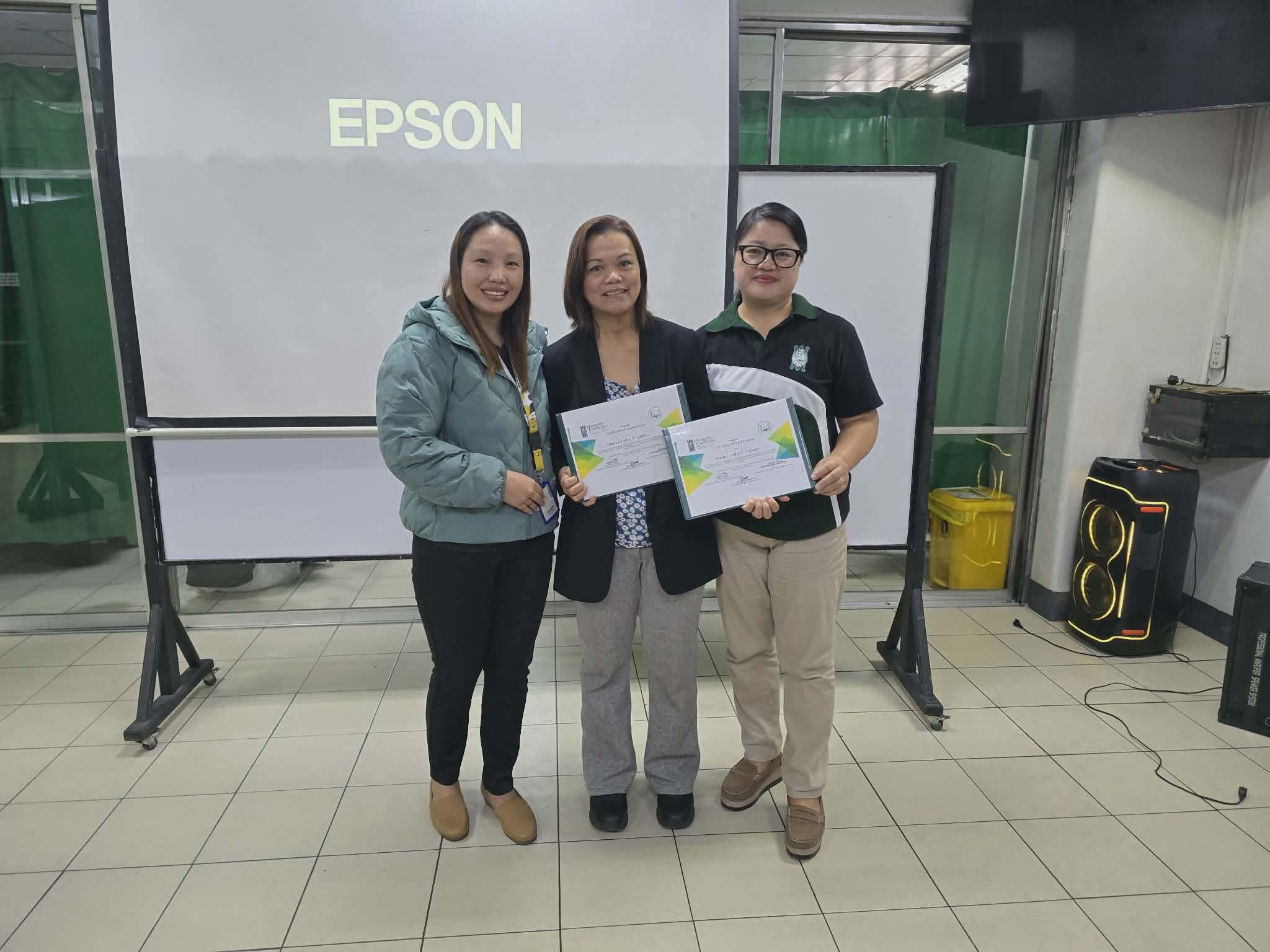
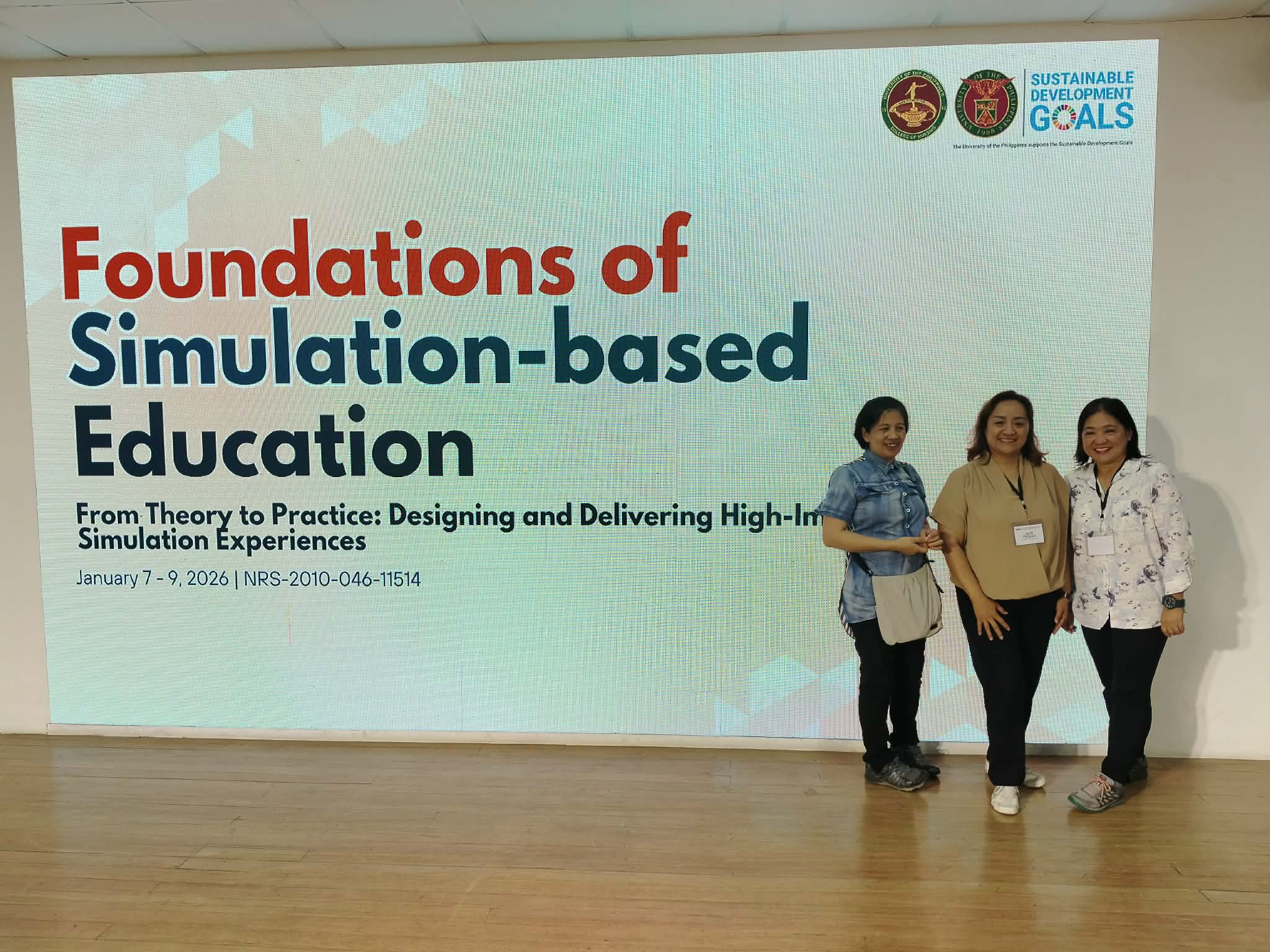
The University of the Cordilleras College of Nursing and Allied Health Sciences (UC CONAHS) continues to strengthen its commitment to innovative and competency-based nursing education as three faculty members participated in the Foundations of Simulation-Based Education (SBE) workshop held on January 7–9, 2026 at the University of the Philippines College of Nursing (UPCN).
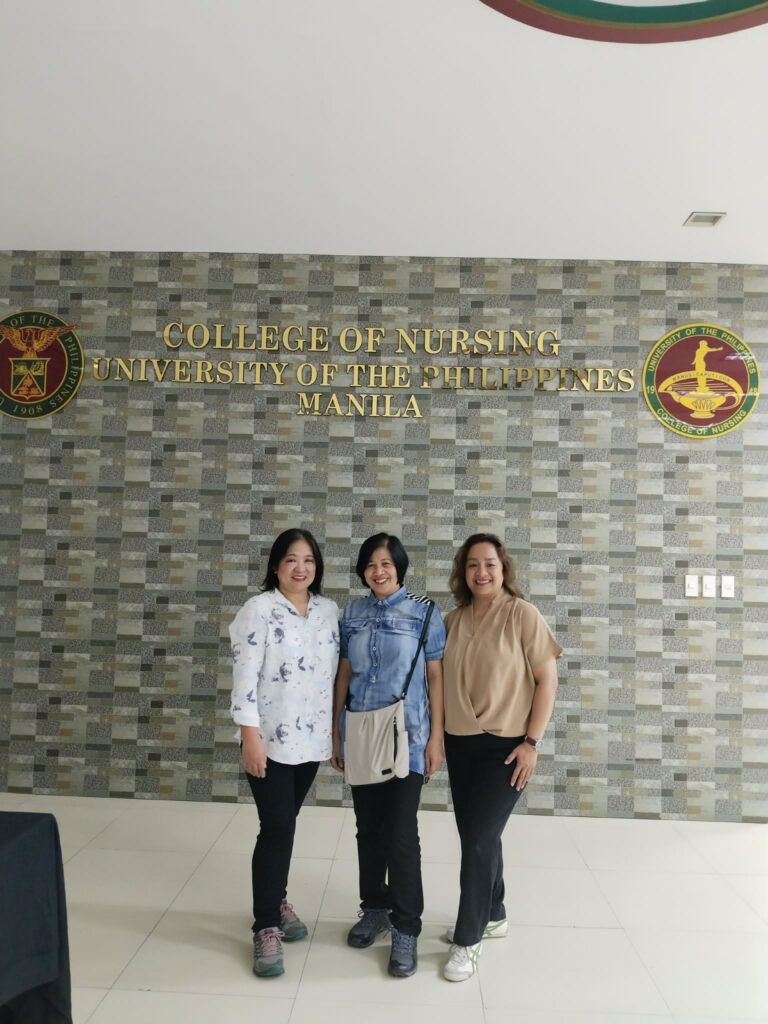
UC was represented by Ms. Julie Padilla, Ms. Joan Bautista, and Ms. Sofia Dagacan, who joined 34 other nursing educators from institutions across the country in the inaugural run of the intensive three-day program. The workshop aimed to build faculty competence in designing, implementing, and evaluating simulation-based learning experiences that closely mirror real-world clinical practice.
Advancing Faculty Readiness for Simulation-Based Learning
Designed in response to the growing demand for structured and competency-based simulation in nursing education, the program provided participants with both theoretical grounding and extensive hands-on experience. The training emphasized that effective simulation goes beyond technology and equipment—it requires well-prepared faculty who can thoughtfully integrate simulation into the curriculum.
UPCN Dean Sheila Bonito highlighted that simulation is most effective when it is intentionally designed and contextualized within institutional needs, underscoring the role of educators in maximizing its educational impact.
National and International Collaboration
The Foundations of SBE workshop was anchored on UPCN’s long-standing experience with simulation since 2013 and further enriched through collaborations with international partners, including the University of Adelaide in Australia, the National University of Singapore, and SingHealth. The initiative is supported by the Commission on Higher Education (CHED) through programs such as CHED-LAKAS and CHED-HUSAY, as well as UP Manila’s BEACON Project.
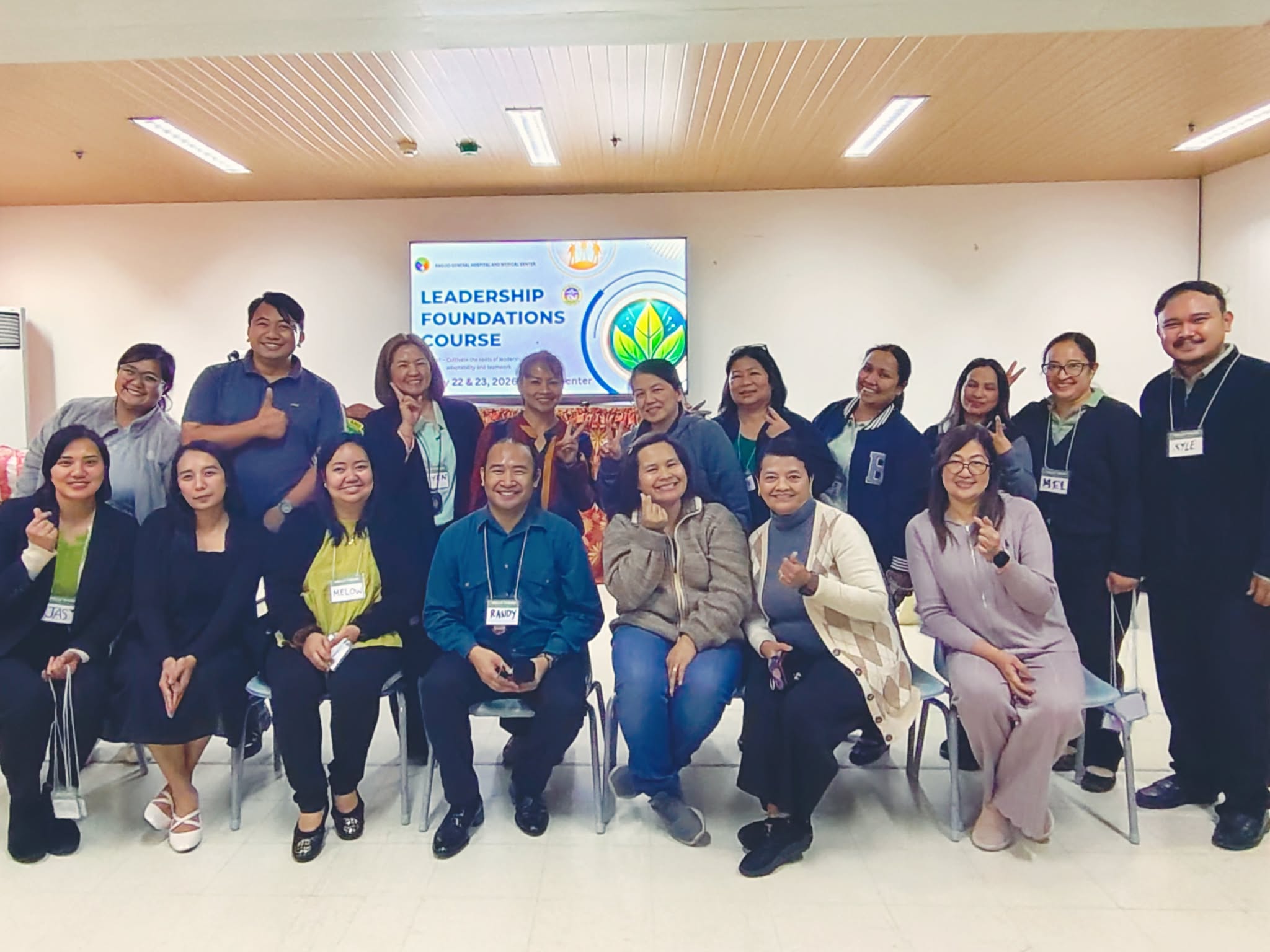
Participants came from diverse higher education institutions nationwide, fostering collaboration and exchange of best practices in simulation-based nursing education.
Inside the Three-Day Training
The workshop combined lectures, demonstrations, and immersive activities:
- Day 1 focused on the foundations of simulation-based education, including learning theories, competency-based education, and various simulation modalities—from low-fidelity task trainers to high-fidelity mannequins and virtual simulations.
- Day 2 centered on scenario design, guiding participants in developing measurable learning objectives and structured simulation plans aligned with nursing competencies.
- Day 3 emphasized learner assessment and curriculum integration, with faculty teams conducting peer-led simulation run-throughs, applying assessment tools, and refining their simulation plans for classroom use.
Participants spent up to 12 hours actively engaging in scenario development and implementation using UPCN’s simulation facilities.
Bringing SBE Expertise Back to UC
For UC CONAHS, participation in the workshop supports ongoing efforts to enhance teaching strategies, skills laboratories, and clinical preparedness of nursing students. The training reinforced that meaningful simulation is possible even with limited resources, provided faculty are equipped with strong pedagogical and facilitation skills.
The experience gained by UC faculty is expected to contribute to the enhancement of simulation activities within UC CONAHS, strengthening student learning outcomes and ensuring alignment with national and global standards in nursing education.
As UC continues to invest in faculty development, participation in national initiatives such as this underscores the college’s dedication to producing competent, confident, and practice-ready future nurses.
Sustainable Development Goals (SDGs)
| SDG | Indicator / Focus | UC CONAHS Contribution |
|---|---|---|
| SDG 3 – Good Health and Well-Being | 3.c Health workforce development | Faculty participation in national simulation-based education training strengthens nursing educators’ capacity to produce clinically competent and patient-safe graduates, contributing to a resilient health workforce. |
| SDG 4 – Quality Education | 4.4 Skills for employment and decent work | The workshop enhanced faculty pedagogical skills in competency-based and experiential learning, improving the quality and relevance of nursing education. |
| SDG 8 – Decent Work and Economic Growth | 8.6 Skills development | Upskilling faculty in simulation-based teaching supports graduate readiness for clinical practice and employability in healthcare settings. |
| SDG 17 – Partnerships for the Goals | 17.16 Multi-stakeholder partnerships | UC CONAHS engagement with UP College of Nursing, CHED, and international academic partners reflects strong collaboration in advancing nursing education nationwide. |